

Microbiology Laboratory Work-Flow Solutions
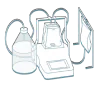
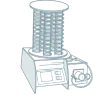
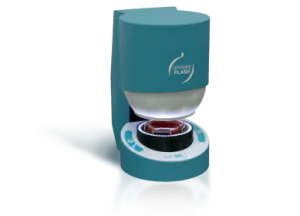
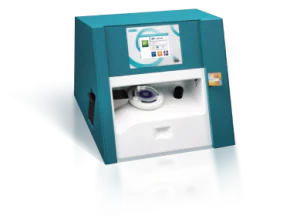
Follow the work flow in the classic Microbiology laboratory – Sample preparation, agar preparation and pouring, spiral plating and automated colony counting. We offer a complete line of equipment used in microbiology, including microbiology lab automation as well as manual tools.
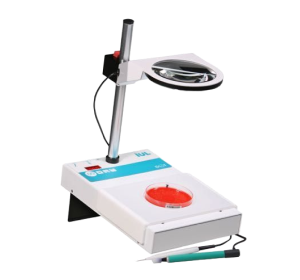
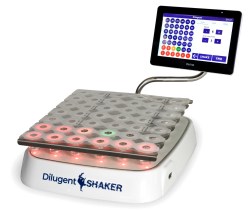
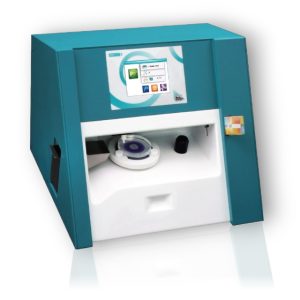

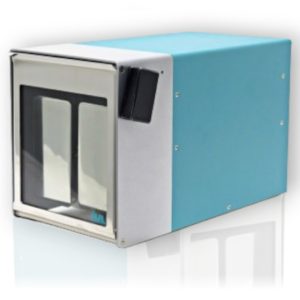
For microbiologists and researchers, reproducibility and efficiency, and as a consequence the right microbiology laboratory equipment, are paramount to achieving optimal outcomes. As a leading company among microbiology equipment suppliers, Neutec Group provides our clients with access to the best solutions; tools, products, and systems to fulfill their scientific exploration. We assist quality control and research and development teams across North America, Mexico, and Canada in a broad range of industries; Academia Food Pharma, Environmental, Agro and Biotechnology, to source the best equipment used in microbiology that is required for their projects and budget. These options may include but are not limited to manual instrumentation, microbiology automation instruments, as well as complete automated microbiology systems.
Our commitment to assisting our clients to increase their throughput and to ‘making better science’ is comprehensive. It begins by assessing together where the bottlenecks are in the Microbiology lab workflow, and which microbiology lab automation instruments and equipment used in microbiology are available to alleviate them. It continues with introducing innovative microbiology automation technology and equipment solutions aimed to allow these scientists to focus fully on their goals, including increasing their lab throughput and furthering knowledge in their given area.
For nearly two decades, our family-run business has been highly responsive to the needs of our clients. What can you expect when you purchase your laboratory microbiology equipment from Neutec Group? Many microbiology lab automation equipment distributors will sell you a box, and the relationship will end when your shipment is received. With Neutec, this would only be the beginning of our partnership with you. We do our best to provide quick turnaround times, and we will continue to support your effort with installation training and service support, so that you can make optimal use of your investment for many years.
We realize that time is of the essence. Need to upgrade your equipment? For your convenience, we offer several quality tiers for most microbiology lab instruments and microbiology lab equipment, including the latest microbiology automation tools and automated microbiology systems.
We take considerable pride in the long-term relationships we have forged with many of our clients who know that they can turn to Neutec Group to improve their laboratory workflow, increase their efficacy, and ensure more expedient outcomes.
To learn more regarding our manual instruments, microbiology lab automation tools, and automated microbiology systems, we invite you to contact us.
Microbiology Lab Equipment FAQ
- What equipment is used in a microbiology lab?
Equipment in microbiology labs consists primarily of devices used for sampling and colony counting including air samplers, equipment for creating and inoculating petri dishes, anaerobic equipment, loop & needle flaming and sterilizers, microbial live cell imaging, slide stainers, and water activity measurement.
- What are the most common microbiology lab tests?
Microbiology lab tests include:
- Industrial Microbiology labs may perform bioburden testing, challenge testing, or shelf life investigations on products such as food, cosmetics, and pharmaceuticals for safety, compliance, quality assurance, or quality control. Microbiology labs may perform environmental tests such as viable air sampling, contact surface testing, or sterility tests to monitor the manufacturing environments where products such as food, cosmetics, and pharmaceuticals are produced. Academic or research and development microbiology labs may study the growth, growth inhibition, or morphologies of microorganisms for the purposes of better understanding their biology, to control or limit their pathogenic effects, or to better understand their benefits to humans.
- What is instrumentation in a microbiology lab?
The use of tools, microbiology lab equipment, and technology to determine the number of microorganisms in a sample, the number of Colony Forming Units, or CFU’s the viability or microbes, and/or the growth rate of microbes. It can also refer to the development of new machinery, automation, and techniques to make Microbiology lab work more convenient, including the equipment in microbiology labs. - Why is laboratory equipment important in a microbiology lab?
In a Microbiology lab setting, equipment in microbiology enables researchers to observe, manipulate, and accurately study microorganisms, to identify, classify, and analyze microbes, investigate their role in disease, and develop treatments by providing controlled conditions for culturing, isolating, and characterizing different microbial species. Microbiology lab equipment can improve the accuracy and repeatability of microbiology tests when compared to manual testing, improve reporting and traceability of tests completed, and increase the efficiency of lab personnel by reducing bottlenecks. - What are the basic safety rules of tools and instruments used in the microbiology lab?
Protocols after using microbiology lab equipment include properly flaming and sterilizing tools in a laboratory, properly disposing of sharps in designated containers, never pipetting orally, wearing appropriate personal protective equipment (PPE) i.e. gloves and safety glasses when handling cultures, limiting technicians direct contact with microbial samples through the use of tools and automations disinfecting work surfaces before and after use, and immediately reporting any accidents or spills.