
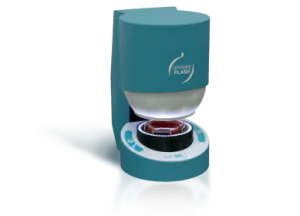
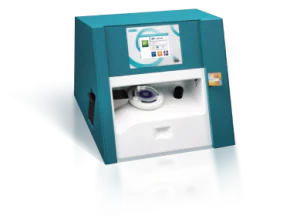
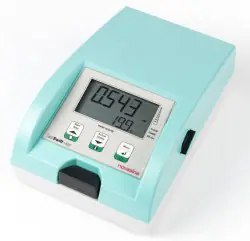

Indeed, food quality control and safety is a complex topic and many different ideas and point of views are present. The tricky thing is to find exactly the methods and instruments which provide the results needed for good decision if a batch is fine or not. Of course, expertise for interpretation of those analytical values is also important to profit from the different analyses.
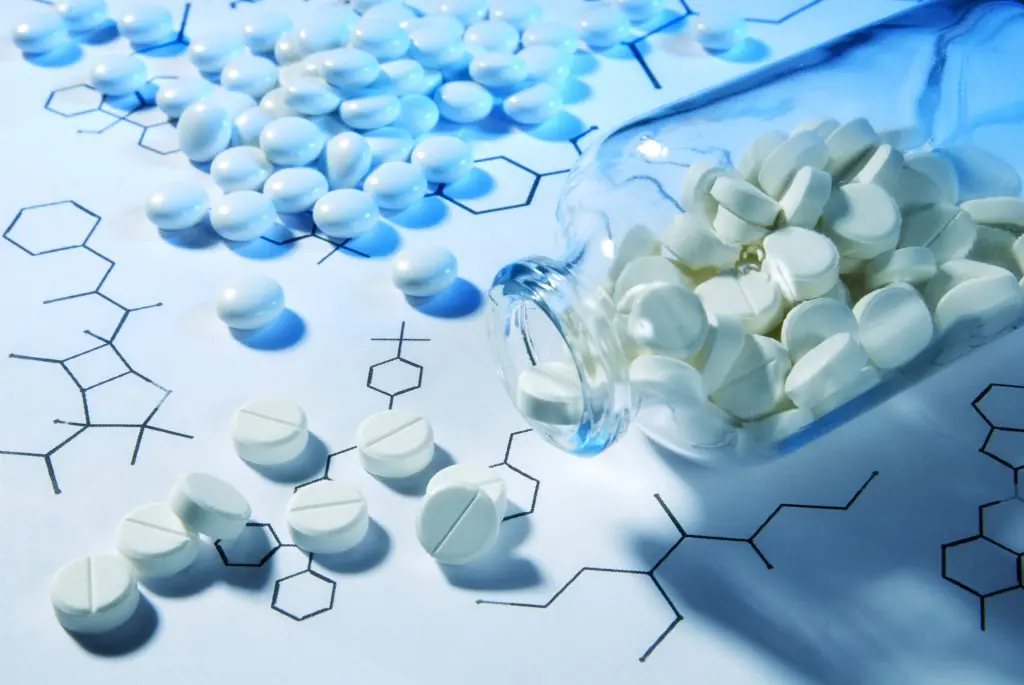
Water Activity in pharma applications is not something new, but is often overlooked in favor of main- stream analytical laboratory technologies like HPLC, GC etc. Because there is little regulatory pressure on doing water activity measurements, this parameter is somewhat overlooked in the pharma industry. Contrary to this, demand is steadily increasing for aw testing because of the benefits it has for API (active pharmaceutical ingredients.) These include stability, low microbial risk, optimized formulation, reduced caking and clumping and low moisture migration which all have massive product improvement advantages.The resulting key benefits are: Less consumer complaints, greater confidence, higher production output with consequently better products for the consumer and greater profits for the manufacturer.Conclusively, water activity is a powerful, and often essential, quality parameter for pharmaceutical products.
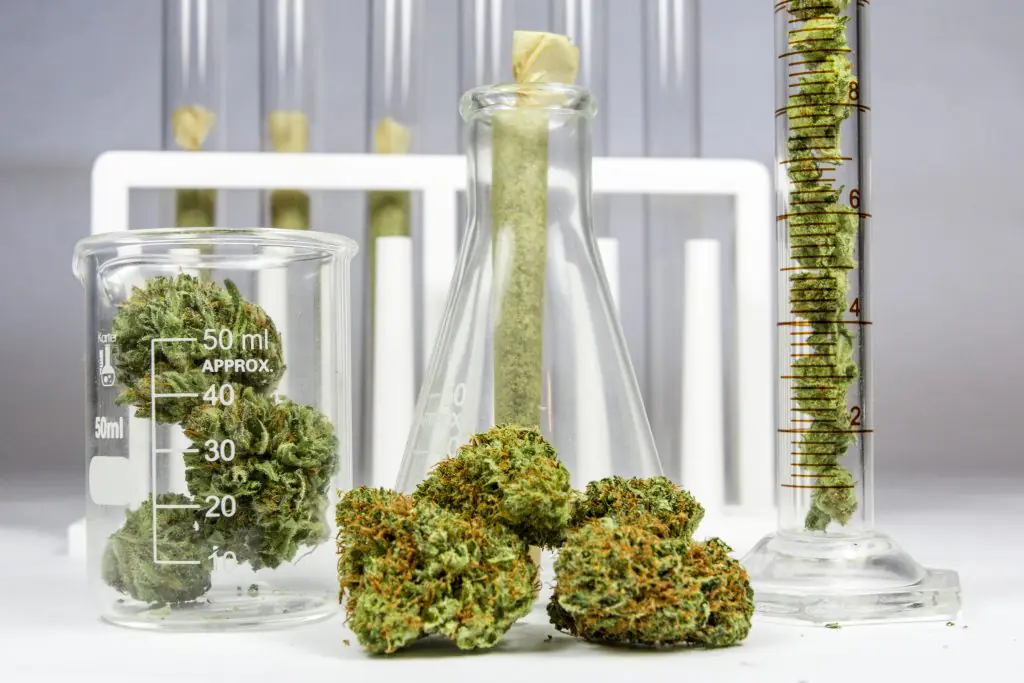
Water activity is widely recognized for the safety it provides to food because of its control of microbial growth and it is considered a critical control point for preventing microbial contamination. Water activity provides this same determination of safety in cannabis and consequently is already a part of cannabis regulations in many states.
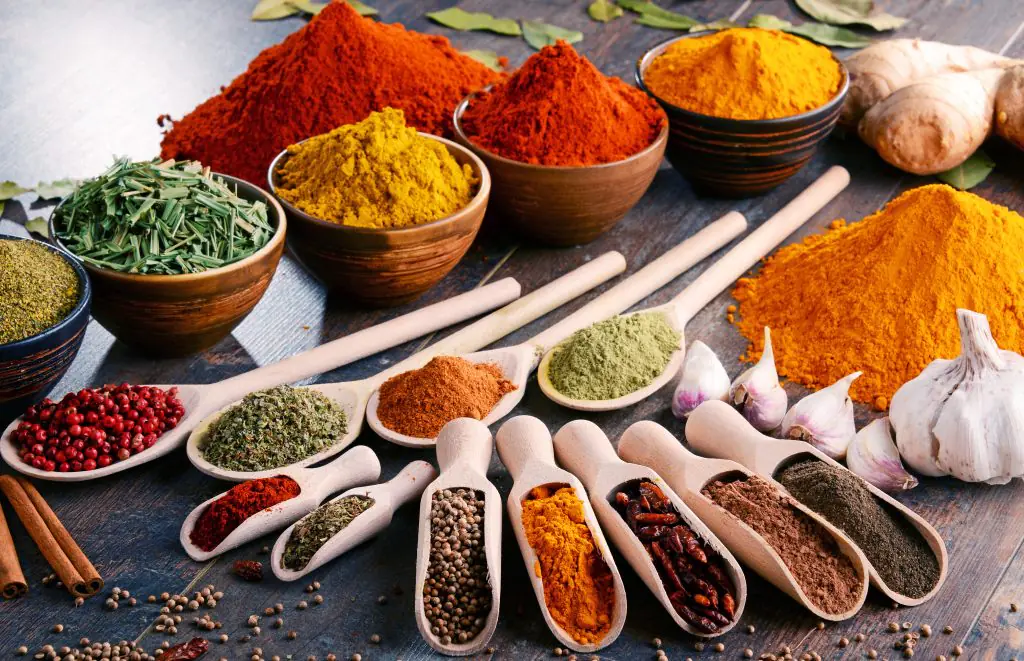
Low moisture food ingredients are utilized by most food manufacturers because of their easy handling and longer shelf life. Examples of low moisture ingredients include milk powder, flour, sugars, starches, and spices. When considering the stability of powders and spices, the most common mode of failure is likely caking or clumping because it makes them difficult to handle and impacts production efficiency [1]. However, an additional concern for powders and spices which has more recently gained attention due to several product recalls originating from low moisture ingredients is microbial safety [2,3]. While it may seem strange to discuss the microbial safety of ingredients whose water activities fall well below the lower limit for microbial growth, it is still possible to for low moisture ingredients to be carriers of microorganisms.
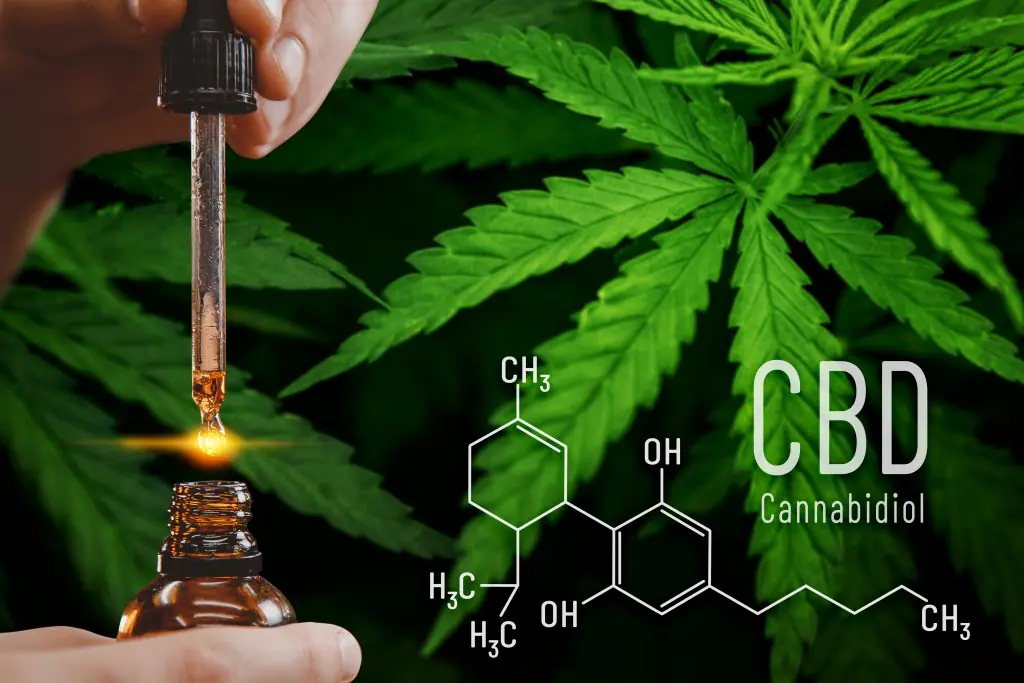
Hear the word ‘cannabis’ and it’s perhaps an image of spliffs that most readily springs to mind. Things are changing, however. Cannabis products are increasingly promoted in countries or states where consumption of the bi-product CBD is legal.
CBD is already used in everything from biscuits to gummy sweets. To create a safe, edible CBD product, the necessary measures HACCP and QC need to be applied and water activity plays a key role here.