
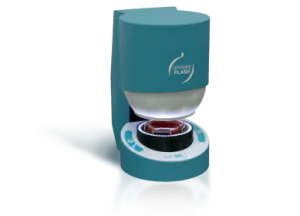
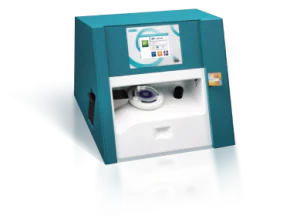
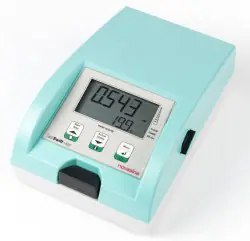

Water activity has been broadly used in the pharmaceutical industry since the publication in 2006 of USP <1112>, an informational chapter on the application of water activity in pharma. While <1112> provided guidance for the utilization of water activity, it was not an official method.


Cannabis-based products for both medicinal and recreational use are gaining in popularity and acceptance. However, if not handled properly, these products can pose a safety issue for consumers. Dried buds, extracted oils, or processed edibles with microbial contamination can result in allergic reactions, respiratory complications, or foodborne illnesses. From a quality standpoint, changes in efficacy and potency due to chemical reactions or structural loss can also result in poor product and lost revenue.

Our Application Scientist, Dr. Brady Carter, is an expert on water activity and moisture sorption with over 20 years of experience as a research scientist. He has presented hundreds of webinars, provided training seminars across the world on all aspects of water activity measurement and application, and has authored numerous publications including his newest chapter published Applications for Dynamic Moisture Sorption Profiles in Foods in Water Activity in Foods: Fundamentals and Applications.

The shelf life of a product is defined as the practical time that it remains desirable to consumers. It dictates the radius of distribution for the product, how it must be stored, and its best by date. Failure to match this expected shelf life can result in customer complaints, product recalls, and tarnished reputation. Consequently, correctly determining the optimal production process and handling that maximizes the shelf life and then monitoring to make sure those conditions are met is the difference between profitability and lost revenue. However, correctly determining the shelf life of a product can be a challenging endeavor, often due to a lack of resources and clear guidelines for conducting shelf life testing. The shelf life simplified paradigm takes a pragmatic approach to shelf life determination by using the relationship between water activity and shelf life to guide the process.